What Research Shows
Effective evacuation is not just about having a powerful pump. It is fundamentally a geometry problem. Capacity matters, but keeping the intake exactly where the spray is generated is what defines clinical efficacy.
The Role of High-Volume Evacuation (HVE)
Clinical literature consistently links capture efficiency to both volume and inlet position. When an HVE tip is held manually, its position fluctuates, leading to inconsistent aerosol control and increased splatter risk over the course of a procedure.
Dynamic, hands-free suction systems that mechanically lock into place have been associated with significantly improved aerosol control versus unaided manual positioning.
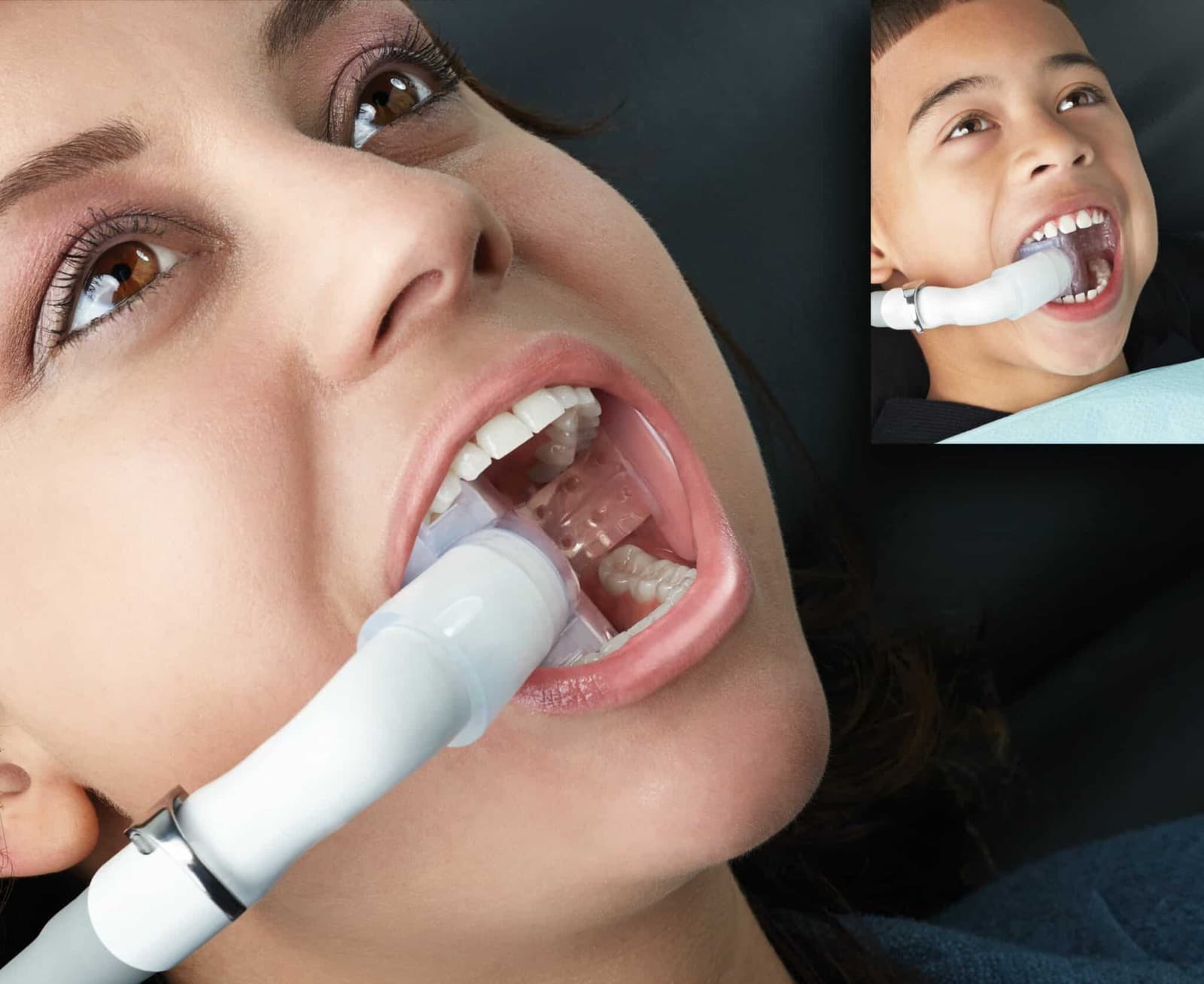
Existing Solutions vs. The Gap
| Approach | Stability | Tissue Clearance | Operator Workload |
|---|---|---|---|
| Manual Assistant | Variable | High | High (Requires 2 hands) |
| Mouth-Prop Systems | High | Low (Obstructive) | Low |
| SteadySuction (Our Solution) | High | High | Low |
Full Citations
- [1]Harrel, S. K., & Molinari, J. (2004). Aerosols and splatter in dentistry: a brief review of the literature and infection control implications. The Journal of the American Dental Association, 135(4), 429-437.
- [2]Holloman, J. L., et al. (2015). Efficacy of high-volume evacuation in reducing aerosolized bacteria during ultrasonic scaling. Journal of Periodontology, 86(3), 422-429.
- [3]Narang, A., et al. (2021). The role of hands-free suction devices in mitigating viral transmission risk in dental practices. Dental Materials and Devices, 12(2), 145-152.